When a believer learned that he had tuberculosis, he broke down and said, “Why God punished me like this? What have I done deserving this?”
While believers are falling ill or facing lots of problems, they are feeling that God is punishing them for their past sins. They are strongly thinking God is responsible for their problems and illness. So they lament, “Why me? There are many people out there who have committed more sins than I did. Why God punished me, and let them off?”
These are versions of believers who fall ill and face adversities. Now let us see, are personal adversities really a punishment from God?
The answer is NO. NOT AT ALL.
In fact, God isn’t responsible for our problems and illness. Faithful believers have experienced Adversity.
Then Jesus was led by the Spirit into the desert to be tempted by the devil - Mt. 4:1.
See, God didn’t tempt Jesus, but Satan.
The Bible reports about a man named Job. Without warning, he suddenly lost his wealth. Next, all ten of his children were killed in a windstorm. Soon thereafter, he was struck with a debilitating, loathsome disease. (Job 1:13-19; 2:7, 8) Such adversities led Job to cry out: “The hand of God has struck me down.” (Job 19:21, Today’s English Version) Evidently, like many today, Job felt that God was punishing him.
However, the Bible reveals that before Job’s trials began, God himself had described Job as “a man blameless and upright, fearing God and turning aside from bad.” (Job 1:8) In view of this expression of divine approval, it is clear that Job’s adversities were not a punishment from God.
The fact is the Bible is filled with accounts of upright individuals who faced personal adversities. Although he was a loyal servant of God, Joseph endured years of unjust imprisonment. (Genesis 39:10-20; 40:15) The faithful Christian Timothy suffered from “frequent cases of sickness.” (1 Timothy 5:23) Even Jesus Christ, who never did wrong, was cruelly mistreated before suffering an agonizing death. (1 Peter 2:21-24) Hence, it is a mistake to conclude that adversity must be an expression of God’s displeasure.
Satan the Devil was the cause of the chief source of our problems today when it states: “Woe for the earth and for the sea, because the Devil has come down to you, having great anger, knowing he has a short period of time.” (Revelation 12:12)
As “the ruler of this world,” Satan has influenced many to engage in evil acts that have resulted in untold misery and heartache.—John 12:31; Psalm 37:12, 14.*
Does this mean, then, that we will always be plagued with adversity?
NO.
And God is faithful; he will not let you be tempted {by Satan} beyond what you can bear. But when you are tempted, he will also provide a way out so that you can stand up under it - 1Co. 10:13.
Because he{Jesus} himself suffered when he was tempted{by Satan}, he is able
to help those who are being tempted - He. 2:18.
All Adversity Soon to End
God will bring an end to all adversity very soon. (Isaiah 25:8; Revelation 1:3; 21:3, 4) In the meantime, he shows that he really cares for us by providing “instruction” and “comfort from the Scriptures” so that we can cope with trials now as we look forward to that wonderful future just ahead. (Romans 15:4; 1 Peter 5:7) At that time, those who are upright in God’s eyes will enjoy unending life in a new world, free from every form of adversity.—Psalm 37:29, 37.
Well, there are a few believers who think in a different way:
They say, “Maybe my parents committed sin against God. So God punished me.”
This is not right. We’re not in the Old Testament times; we’re in New Testament times. God doesn’t punish children because of parents’ sins, nor does he punish us for our sins. So erase the thought in your mind.
ONE MORE THING: We should not, however, be quick to blame the Devil for every adversity we experience. As a result of inherited sin and imperfection, we are prone to make unwise decisions that can cause us problems - Psalm 51:5; Romans 5:12.
For example, imagine a man who by choice neither eats properly nor gets sufficient rest. If this eventually leads to serious health problems, should he blame the Devil? No, the man has merely reaped the bitter consequences of his own poor judgment. (Galatians 6:7) In such an instance, it is just as a Bible proverb puts it: “A man’s own folly wrecks his life.”—Proverbs 19:3.
God set us free. We shouldn’t use the freedom to wreck our life with bad habits.
Monday, November 8, 2010
Thursday, November 4, 2010
Typological interpretations
Actually, this subject is thoroughly taught to the Bible training students, because this typological interpretation of scriptures is highly essential. There are many typological interpretations, but the most important typology is regarding covenants. The details of the typology are posted here to enhance your spiritual wisdom.
The High priest
The High priest

“Have Aaron your brother brought to you from among the Israelites, with his sons Nadab and Abihu, Eleazar and Ithamar, so that they may serve me as priests. Make sacred garments for your brother Aaron, to give him dignity and honour - Ex. 28:1-2.
In new covenant Jesus Christ is our high priest. For this reason we ask God everything through Jesus Christ.

The point of what we are saying is this: We do have such a high priest, who sat down at the right hand of the throne of the Majesty in heaven, and who serves in the sanctuary, the true tabernacle set up by the Lord, not by man- He. 8:1-2.
He{Jesus Christ} became a priest with an oath when God said to him: “The Lord has sworn and will not change his mind: `You are a priest forever.’“ [Psalm 110:4] Because of this oath, Jesus has become the guarantee of a better covenant. Now there have been many of those priests, since death prevented them from continuing in office; but because Jesus lives forever, he has a permanent priesthood. Therefore he is able to save completely those who come to God through him, because he always lives to intercede for them- He. 7:21- 25.
The Tabernacle and The ark of the covenant of the LORD
He{Jesus Christ} became a priest with an oath when God said to him: “The Lord has sworn and will not change his mind: `You are a priest forever.’“ [Psalm 110:4] Because of this oath, Jesus has become the guarantee of a better covenant. Now there have been many of those priests, since death prevented them from continuing in office; but because Jesus lives forever, he has a permanent priesthood. Therefore he is able to save completely those who come to God through him, because he always lives to intercede for them- He. 7:21- 25.
The Tabernacle and The ark of the covenant of the LORD
A tabernacle was set up. In its first room were the lampstand, the table and the consecrated bread; this was called the Holy Place. Behind the second curtain was a room called the Most Holy Place, which had the golden altar of incense and the gold-covered ark of the covenant. This ark contained the gold jar of manna, Aaron’s staff that had budded, and the stone tablets of the covenant. Above the ark were the cherubim of the Glory, overshadowing the atonement cover. But we cannot discuss these things in detail now.- He. 9:2-5(For more details about the ark of Lord read - Ex. 25:10- 20.)


New covenant proceedings
Therefore, when Christ came into the world, he said: “Sacrifice and offering you did not desire, but a body you prepared for me; with burnt offerings and sin offerings you were not pleased.
Then I said, `Here I am — it is written about me in the scroll - I have come to do your will, O God.’ First he said, “Sacrifices and offerings, burnt offerings and sin offerings you did not desire, nor were you pleased with them” (although the law required them to be made). Then he said, “Here I am, I have come to do your will.” He sets aside the first to establish the second- He. 10:5- 9.
Jesus took bread, gave thanks and broke it, and gave it to his disciples, saying, “Take it; this is my body.” Then he took the cup, gave thanks and offered it to them, and they all drank from it. “This is my blood of new covenant, which is poured out for many,” he said to them- Mk. 14:22-24.
Therefore, when Christ came into the world, he said: “Sacrifice and offering you did not desire, but a body you prepared for me; with burnt offerings and sin offerings you were not pleased.
Then I said, `Here I am — it is written about me in the scroll - I have come to do your will, O God.’ First he said, “Sacrifices and offerings, burnt offerings and sin offerings you did not desire, nor were you pleased with them” (although the law required them to be made). Then he said, “Here I am, I have come to do your will.” He sets aside the first to establish the second- He. 10:5- 9.
Jesus took bread, gave thanks and broke it, and gave it to his disciples, saying, “Take it; this is my body.” Then he took the cup, gave thanks and offered it to them, and they all drank from it. “This is my blood of new covenant, which is poured out for many,” he said to them- Mk. 14:22-24.

The Table Of Shewbread

Put the bread of the Presence on this table to be before me at all times- Ex. 25:30.
New covenant
Then Jesus declared, “I am the bread of life. He who comes to me will never go hungry, and he who believes in me will never be thirsty- Jn. 6:35.
The Lamp stand

Make a lampstand of pure gold and hammer it out, base and shaft; its flowerlike cups, buds and blossoms shall be of one piece with it. Six branches are to extend from the sides of the lampstand three on one side and three on the other. Three cups shaped like almond flowers with buds and blossoms are to be on one branch, three on the next branch, and the same for all six branches extending from the lampstand. And on the lampstand there are to be four cups shaped like almond flowers with buds and blossoms. One bud shall be under the first pair of branches extending from the lampstand, a second bud under the second pair, and a third bud under the third pair — six branches in all - Ex. 25:31-35.
New covenant

Through him{Jesus Christ} all things were made; without him nothing was made that has been made. In him was life, and that life was the light of men- Jn. 1:3-4.
I have made you a light for the Gentiles that you may bring salvation to the ends of the earth - Ac. 13:47.
The Certain
Hang the curtain from the clasps and place the ark of the Testimony behind the curtain. The curtain will separate the Holy Place from the Most Holy Place- Ex. 26:33.
I have made you a light for the Gentiles that you may bring salvation to the ends of the earth - Ac. 13:47.
The Certain
Hang the curtain from the clasps and place the ark of the Testimony behind the curtain. The curtain will separate the Holy Place from the Most Holy Place- Ex. 26:33.
New covenant
Therefore, brothers, since we have confidence to enter the Most Holy Place by the blood of Jesus, by a new and living way opened for us through the curtain, that is, his body, and since we have a great priest over the house of God, let us draw near to God with a sincere heart in full assurance of faith, having our hearts sprinkled to cleanse us from a guilty conscience and having our bodies washed with pure water - He. 10:19-22.
The Bronze Basin or Laver

They made the bronze basin and its bronze stand from the mirrors of the women who served at the entrance to the Tent of Meeting - Ex. 38:8.
New covenant
But if we walk in the light, as he is in the light, we have fellowship with one another, and the blood of Jesus, his Son, purifies us from all sin - 1Jn. 1:7.
The Altar of incense

“Aaron must burn fragrant incense on the altar every morning when he tends the lamps. He must burn incense again when he lights the lamps at twilight so that incense will burn regularly before the LORD for the generations to come” - Ex. 30:7-8.
New covenant
Unlike the other high priests, he does not need to offer sacrifices day after day, first for his own sins, and then for the sins of the people. He sacrificed for their sins once for all when he offered himself - He. 7:27.
The curtain for the entrance
The curtain for the entrance to the courtyard was of blue, purple and scarlet yarn and finely twisted linen — the work of an embroiderer. It was twenty cubits long and, like the curtains of the courtyard, five cubits high, with four posts and four bronze bases. Their hooks and bands were silver, and their tops were overlaid with silver - Ex. 38:18-19.
New covenant
I am the gate; whoever enters through me will be saved - Jn. 10:9.

Offerings:
The Burnt offering
If the offering is a burnt offering from the herd, he is to offer a male without defect. He must present it at the entrance to the Tent of Meeting so that it will be acceptable to the LORD - Le. 1:3.
New covenant
Through him {Jesus Christ} everyone who believes is justified from everything you could not be justified from by the law of Moses - Ac. 13:39.
He said, “Sacrifices and offerings, burnt offerings and sin offerings you did not desire, nor were you pleased with them. ” Then he said, “Here I am, I have come to do your will.” He sets aside the first to establish the second - He. 10:8-9.
The Grain offering
If your grain offering is prepared on a griddle, it is to be made of fine flour mixed with oil, and without yeast. Crumble it and pour oil on it; it is a grain offering. If your grain offering is cooked in a pan, it is to be made of fine flour and oil. Bring the grain offering made of these things to the LORD; present it to the priest, who shall take it to the altar. He shall take out the memorial portion from the grain offering and burn it on the altar as an offering made by fire, an aroma pleasing to the LORD. The rest of the grain offering belongs to Aaron and his sons - Le. 2:5-10.
New covenant
I am the living bread that came down from heaven. If anyone eats of this bread, he will live for ever. This bread is my flesh, which I will give for the life of the world - Jn. 6:51
The Fellowship offering
“‘If someone’s offering is a fellowship offering, and he offers an animal from the herd, whether male or female, he is to present before the LORD an animal without defect. He is to lay his hand on the head of his offering and slaughter it at the entrance to the Tent of Meeting. Then Aaron’s sons the priests shall sprinkle the blood against the altar on all sides - Le. 3:1-2.
New covenant
God, who has called you into fellowship with his Son Jesus Christ our Lord, is faithful - 1Co. 1:9
Therefore, since we have been justified through faith, we have peace with God through our Lord Jesus Christ, through whom we have gained access by faith into this grace in which we now stand. And we rejoice in the hope of the glory of God - Ro. 5:1-2.
The guilt offering and the burnt offering
“If anyone sins and is unfaithful to the LORD by deceiving his neighbor about something entrusted to him or left in his care or stolen, or if he cheats him, or if he finds lost property and lies about it, or if he swears falsely, or if he commits any such sin that people may do — when he thus sins and becomes guilty, he must return what he has stolen or taken by extortion, or what was entrusted to him, or the lost property he found, or whatever it was he swore falsely about. He must make restitution in full, add a fifth of the value to it and give it all to the owner on the day he presents his guilt offering. And as a penalty he must bring to the priest, that is, to the LORD, his guilt offering, a ram from the flock, one without defect and of the proper value. In this way the priest will make atonement for him before the LORD, and he will be forgiven for any of these things he did that made him guilty.” - Le. 6:3-7.
New covenant
Jesus also suffered outside the city gate to make the people holy through his own blood . Through Jesus, therefore, let us continually offer to God a sacrifice of praise — the fruit of lips that confess his name- He. 13:15.
Feasts:
The Passover
“These are the LORD’s appointed feasts, the sacred assemblies you are to proclaim at their appointed times: The LORD’s Passover begins at twilight on the fourteenth day of the first month - Le. 23:4.
New covenant
For Christ, our Passover lamb, has been sacrificed 1Co. 5:7.
Feast of Unleavened Bread
On the fifteenth day of that month the LORD’s Feast of Unleavened Bread begins; for seven days you must eat bread made without yeast. On the first day hold a sacred assembly and do no regular work. For seven days present an offering made to the LORD by fire. And on the seventh day hold a sacred assembly and do no regular work - Le. 23:6-8.
New covenant
Therefore let us keep the Festival, not with the old yeast, the yeast of malice and wickedness, but with bread without yeast, the bread of sincerity and truth - 1Co. 5:8.
First grain of harvest
“Speak to the Israelites and say to them: ‘When you enter the land I am going to give you and you reap its harvest, bring to the priest a sheaf of the first grain you harvest. He is to wave the sheaf before the LORD so it will be accepted on your behalf; the priest is to wave it on the day after the Sabbath. On the day you wave the sheaf, you must sacrifice as a burnt offering to the LORD a lamb a year old without defect, together with its grain offering of two-tenths of an ephah of fine flour mixed with oil — an offering made to the LORD by fire, a pleasing aroma — and its drink offering of a quarter of a hin of wine. You must not eat any bread, or roasted or new grain, until the very day you bring this offering to your God. This is to be a lasting ordinance for the generations to come, wherever you live -Le. 23:10-14.
Therefore let us keep the Festival, not with the old yeast, the yeast of malice and wickedness, but with bread without yeast, the bread of sincerity and truth - 1Co. 5:8.
First grain of harvest
“Speak to the Israelites and say to them: ‘When you enter the land I am going to give you and you reap its harvest, bring to the priest a sheaf of the first grain you harvest. He is to wave the sheaf before the LORD so it will be accepted on your behalf; the priest is to wave it on the day after the Sabbath. On the day you wave the sheaf, you must sacrifice as a burnt offering to the LORD a lamb a year old without defect, together with its grain offering of two-tenths of an ephah of fine flour mixed with oil — an offering made to the LORD by fire, a pleasing aroma — and its drink offering of a quarter of a hin of wine. You must not eat any bread, or roasted or new grain, until the very day you bring this offering to your God. This is to be a lasting ordinance for the generations to come, wherever you live -Le. 23:10-14.
New covenant
But Christ has indeed been raised from the dead, the firstfruits of those who have fallen asleep. For since death came through a man, the resurrection of the dead comes also through a man. For as in Adam all die, so in Christ all will be made alive. But each in his own turn: Christ, the firstfruits; then, when he comes, those who belong to him - 1Co. 15:20-23.
Feast of trumpets
“Say to the Israelites: ‘On the first day of the seventh month you are to have a day of rest, a sacred assembly commemorated with trumpet blasts Do no regular work, but present an offering made to the LORD by fire - Le. 23:24-25.
New covenant
For the Lord himself will come down from heaven, with a loud command, with the voice of the archangel and with the trumpet call of God, and the dead in Christ will rise first. After that, we who are still alive and are left will be caught up together with them in the clouds to meet the Lord in the air - 1Th. 4:16-17.
Day of Atonement
“The tenth day of this seventh month is the Day of Atonement. Hold a sacred assembly and deny yourselves, and present an offering made to the LORD by fire. Do no work on that day, because it is the Day of Atonement, when atonement is made for you before the LORD your God. Anyone who does not deny himself on that day must be cut off from his people - Le. 23:26-29.
New covenant
They are only a matter of food and drink and various ceremonial washings — external regulations applying until the time of the new order. When Christ came as high priest of the good things that are already here, he went through the greater and more perfect tabernacle that is not man-made, that is to say, not a part of this creation - He. 9:10-11.
Feast of tabernacles
“Say to the Israelites: ‘On the fifteenth day of the seventh month the LORD’s Feast of Tabernacles begins, and it lasts for seven days. The first day is a sacred assembly; do no regular work. For seven days present offerings made to the LORD by fire, and on the eighth day hold a sacred assembly and present an offering made to the LORD by fire. It is the closing assembly; do no regular work - Le. 23:34-36.
God made Israelites do this in remembrance of redemption.
New covenant .
“This cup is the new covenant in my blood; do this, whenever you drink it, in remembrance of me. For whenever you eat this bread and drink this cup, you proclaim the Lord’s death until he comes- 1Co. 11:25-26.

Thursday, October 28, 2010
Why doesn't God show himself to us
The answer is - he doesn’t like to kill us. In the old testament Moses wanted to see God.
Moses said, “Now show me your glory.” - Ex. 33:18
But,” he{God} said, “you cannot see my face, for no-one may see me and live.” Then the LORD said, “There is a place near me where you may stand on a rock. When my glory passes by, I will put you in a cleft in the rock and cover you with my hand until I have passed by. Then I will remove my hand and you will see my back; but my face must not be seen.” - Ex. 33:20-23.
God doesn’t like to kill Moses and mankind by showing himself. We can’t even see the glory of the sun closely. How come can we see God, who created the sun? Isn’t he trillions upon trillions times brighter and powerful than the Sun? Aren’t his power and glory so powerful that could consume humans?
The LORD your God is a consuming fire - De. 4:24.
In revelation God’s glory is incorporated.
At once I was in the Spirit, and there before me was a throne in heaven with someone sitting on it. And the one who sat there had the appearance of jasper and carnelian. A rainbow, resembling an emerald, encircled the throne - Re. 4:2-3.
From the throne came flashes of lightning, rumblings and peals of thunder - Re. 4:5.
This is the glory of God. Man can’t see him face to face.
It was written that Moses talked to God face to face. The phrase "face to face" in the Hebrew mindset means "personally," "directly," or "intimately." Moses had this kind of unmediated relationship with God. But he, like all other mortals, never saw an actual "face" of God.
Being "face to face" with God simply refers to being in God's direct presence in an intimate way.
In Genesis 32:30 Jacob said, "I saw God face to face, and yet my life was spared."
Jacob thought it was God, but it was an angel of God.
Manoah enquired of the angel of the LORD, “What is your name, so that we may honor you when your word comes true?” He replied, “Why do you ask my name? It is beyond understanding - Ju. 13:17- 18.
The angel of God said the same answer to Jacob.
Jacob said, “Please tell me your name.” But he{angel} replied, “Why do you ask my name?” - Ge. 32:29.
Therefore, it’s a key text to refute that Jacob saw God ‘face to face.’
I hope now you understand why God doesn’t show himself to mankind.
Moses said, “Now show me your glory.” - Ex. 33:18
But,” he{God} said, “you cannot see my face, for no-one may see me and live.” Then the LORD said, “There is a place near me where you may stand on a rock. When my glory passes by, I will put you in a cleft in the rock and cover you with my hand until I have passed by. Then I will remove my hand and you will see my back; but my face must not be seen.” - Ex. 33:20-23.
God doesn’t like to kill Moses and mankind by showing himself. We can’t even see the glory of the sun closely. How come can we see God, who created the sun? Isn’t he trillions upon trillions times brighter and powerful than the Sun? Aren’t his power and glory so powerful that could consume humans?
The LORD your God is a consuming fire - De. 4:24.
In revelation God’s glory is incorporated.
At once I was in the Spirit, and there before me was a throne in heaven with someone sitting on it. And the one who sat there had the appearance of jasper and carnelian. A rainbow, resembling an emerald, encircled the throne - Re. 4:2-3.
From the throne came flashes of lightning, rumblings and peals of thunder - Re. 4:5.
This is the glory of God. Man can’t see him face to face.
It was written that Moses talked to God face to face. The phrase "face to face" in the Hebrew mindset means "personally," "directly," or "intimately." Moses had this kind of unmediated relationship with God. But he, like all other mortals, never saw an actual "face" of God.
Being "face to face" with God simply refers to being in God's direct presence in an intimate way.
In Genesis 32:30 Jacob said, "I saw God face to face, and yet my life was spared."
Jacob thought it was God, but it was an angel of God.
Manoah enquired of the angel of the LORD, “What is your name, so that we may honor you when your word comes true?” He replied, “Why do you ask my name? It is beyond understanding - Ju. 13:17- 18.
The angel of God said the same answer to Jacob.
Jacob said, “Please tell me your name.” But he{angel} replied, “Why do you ask my name?” - Ge. 32:29.
Therefore, it’s a key text to refute that Jacob saw God ‘face to face.’
I hope now you understand why God doesn’t show himself to mankind.
Monday, October 25, 2010
God consoles bereaved families

The Death of our family members, friends, relatives, and neighbors, is the worst heart shatter event. It is like a wakening nightmare. The pain engulfs our strength and creates terrible grief in us. We can’t help crying. Some time, believers, who posses a little faith, set aside the little faith and curse God. This event is being widely seen and heard.
While a father was about to bury his dead daughter in a cemetery, he looked up at the skies and yelled, “where are you, God, when my child was dead?! Where are you?!”
At once, the pastor, who was standing before the bereaved father, said to him, “God is there when his son was also dead, and he’s still there when your child was also dead.”
The bereaved father squinted at the pastor, speechless. The pastor continued, “God has plan s for all of us. Who are you and me find faults with them? Just hope that your daughter accomplished God’s will and gone.”
The bereaved father realized his mistake and asked God to forgive him. This is the true story of a bereaved father of a little faith.
Now see what the bereaved fathers of full faith did in the same situation.
While David’s child was sick, he fasted and went into his house and spent the nights lying on the ground, but as he learnt the child was dead, he got up from the ground. After he had washed, put on lotions and changed his clothes, he went into the
house of the LORD and worshipped. Then he went to his own house, and at his request his servants served him food, and he ate. His servants were puzzled at this. On finding that:
He answered, “While the child was still alive, I fasted and wept. I thought, `Who knows? The LORD may be gracious to me and let the child live.’But now that he is dead, why should I fast? Can I bring him back again? I will go to him, but he will not return to me.” - 2Sa. 12:22-23.
When Job was informed that his sons and daughters died, he didn’t ask God why he took away his offspring. He said:
The LORD gave and the LORD has taken away; may the name of the LORD be praised - Job 1:21.
His wife said to him, “Are you still holding on to your integrity? Curse God and die!” He replied, “You are talking like a foolish woman. Shall we accept good from God, and not trouble?”- Job 2:9-10.
Job accepted trouble but didn’t curse God. He knew God has plans for everyone, so he didn’t find a fault with God’s plan.
Some sensitive believers of a few faith are unaware of this, so they are cursing God in the grief.
May God forgive them, for they don’t know what they are speaking in the frustration and the grief. I pray that may God make them known that everything is going on according to his plans.
God doesn’t forsake bereaved families. He consoles them, strengthen them, and revives them.
I will bind up the injured and strengthen the weak - Ez. 34:16.
So keep in mind that though we go to bottom of the grief, we shouldn’t curse God. Our departed beloved ones are highly loved by God. He loves them more than we could.
May our departed beloved ones souls rest in peace.
Wednesday, October 20, 2010
Treasure In Heaven
We throw parties and invite friends and relatives. Then they will throw parties and invite us. In this way, we repay another and enjoy. But most of us don’t like to throw at least one party to the poor, because there is no room in our heart for them. We are looking down on them because of their status and driving them away in case they get close to our party surroundings.
It is not good in the sight of God. If we really want to be in heaven and have treasure there, it is mandatory to do favors to the poor.
Jesus said to his host, “When you give a luncheon or dinner, do not invite your friends, your brothers or relatives, or your rich neighbors; if you do, they may invite you back and so you will be repaid. But when you give a banquet, invite the poor, the crippled, the lame, the blind, and you will be blessed. Although they cannot repay you, you will be repaid at the resurrection of the righteous.”- Lk. 14:12 -14.
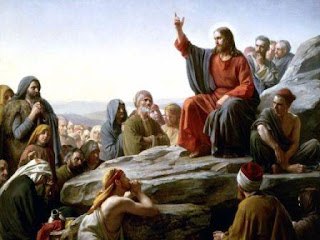 They can’t repay us because they are poor, however, God will pay us on their behalf. He gives us more than we expect in heaven.
He who is kind to the poor lends to the LORD, and he will reward him for what he has done- Pr. 19:17.
A generous man will himself be blessed, for he shares his food with the poor- Pr. 22:9.
Every day, before we eat we pray like this:
Father, we thank you for your
generosity in providing us with
this meal. Bless this food to our
use and us to thy service, and keep
us ever mindful of the needs of
others. Amen.
But we are not mindful of the needs of other, yet we pray like this. God doesn’t like hypocrites. We must reform our ways and be merciful toward the poor.
See the prophecy. Therefore, we shouldn’t fail to give food to the hungry. And shouldn’t fail to give clothes to the naked. Shouldn’t fail to do the good things told in the scripture.
And if anyone gives even a cup of cold water to one of these little ones because he is my disciple, I tell you the truth, he will certainly not lose his reward - Mt. 10:42.
It is not good in the sight of God. If we really want to be in heaven and have treasure there, it is mandatory to do favors to the poor.
Jesus said to his host, “When you give a luncheon or dinner, do not invite your friends, your brothers or relatives, or your rich neighbors; if you do, they may invite you back and so you will be repaid. But when you give a banquet, invite the poor, the crippled, the lame, the blind, and you will be blessed. Although they cannot repay you, you will be repaid at the resurrection of the righteous.”- Lk. 14:12 -14.

He who is kind to the poor lends to the LORD, and he will reward him for what he has done- Pr. 19:17.
A generous man will himself be blessed, for he shares his food with the poor- Pr. 22:9.
Every day, before we eat we pray like this:
Father, we thank you for your
generosity in providing us with
this meal. Bless this food to our
use and us to thy service, and keep
us ever mindful of the needs of
others. Amen.
But we are not mindful of the needs of other, yet we pray like this. God doesn’t like hypocrites. We must reform our ways and be merciful toward the poor.
“Then the King will say to those on his right, `Come, you who are blessed by my Father; take your inheritance, the kingdom prepared for you since the creation of the world. For I was hungry and you gave me something to eat, I was thirsty and you gave me something to drink, I was a stranger and you invited me in, I needed clothes and you clothed me, I was sick and you looked after me, I was in prison and you came to visit me.’ “Then the righteous will answer him, `Lord, when did we see you hungry and feed you, or thirsty and give you something to drink? When did we see you a stranger and invite you in, or needing clothes and clothe you? When did we see you sick or in prison and go to visit you?’ “The King will reply, `I tell you the truth, whatever you did for one of the least of these brothers of mine, you did for me.’ - Mt. 25:34-40.
See the prophecy. Therefore, we shouldn’t fail to give food to the hungry. And shouldn’t fail to give clothes to the naked. Shouldn’t fail to do the good things told in the scripture.
And if anyone gives even a cup of cold water to one of these little ones because he is my disciple, I tell you the truth, he will certainly not lose his reward - Mt. 10:42.
Tuesday, October 12, 2010
We were bought with price
In the old testament times, to purge a man from his sins the blood of animals was used. The life in the blood saved the man from his sins.
For the life of a creature is in the blood, and I have given it to you to make atonement for yourselves on the altar; it is the blood that makes atonement for one’s life- Le. 17:11.
Day after day every priest stands and performs his religious duties; again and again he offers the same sacrifices- He. 10:11.
However, God wasn’t pleased with them.
“Sacrifices and offerings, burnt offerings and sin offerings you did not desire, nor were you pleased with them” - He. 10:8.
He sets aside the first {covenant} to establish the second - He. 10-9.
Then God was determined to purge Gentiles as well as Jews, so he sent his son like a lamb into the world.
“Look, the Lamb of God, who takes away the sin of the world! - Jn. 1:29.
For God so loved the world that he gave his one and only Son, that whoever believes in him
shall not perish but have eternal life- Jn. 3:16.
Jesus came into the world on a mission to save both Gentiles and Jews, who were under the yoke of sin, so that they will be set free.
In him we have redemption through his blood, the forgiveness of sins, in accordance with the riches of God’s grace- Ep. 1:7.
The Son of Man did not come to be served, but to serve, and to give his life as a ransom for many- Mt. 20:28.
At first Jews didn’t believe in Jesus Christ. They claimed that they are not slaves of anyone.
They answered him, “We are Abraham’s descendants and have never been slaves of anyone. How can you say that we shall be set free?” Jesus replied, “I tell you the truth, everyone who sins is a slave to sin. Now a slave has no permanent place in the family, but a son belongs to it for ever. So if the Son sets you free, you will be free indeed- Jn. 8:33-36.
Let God be true, and every man a liar. As it is written: “So that you may be proved right when you speak and prevail when you judge - Ro. 3:4.
Jews crucified Jesus on the charge of blasphemy. As a result, the prophecies fulfilled.
He was pierced for our transgressions, he was crushed for our iniquities; the punishment that brought us peace was upon him, and by his wounds we are healed. We all, like sheep, have gone astray, each of us has turned to his own way; and the LORD has laid on him the iniquity of us all. He was oppressed and afflicted, yet he did not open his mouth; he was led like a lamb to the slaughter, and as a sheep before her shearers is silent, so he did not open his mouth- Is. 53:5-7.
Just as Moses lifted up the snake in the desert, so the Son of Man must be lifted up,that everyone who believes in him may have eternal life- Jn. 3:14-15.
Jesus said, “It is finished.” With that, he bowed his head and gave up his spirit- Jn. 19:30.
 Christ, our Passover lamb, has been sacrificed- 1Co. 5:7.
When you were dead in your sins and in the uncircumcision of your sinful nature, God made you alive with Christ. He forgave us all our sins,having cancelled the written code, with its regulations, that was against us and that stood opposed to us; he took it away, nailing it to the cross- Col. 2:13-14.
With his sacrifice our status has changed.
You are not your own; you were bought at a price - 1Co. 6:20.
So you are no longer a slave, but a son; and since you are a son, God has made you also an heir- Ga. 4:7.
This is the greatest power of Jesus’ blood. In addition to purging us, the blood has made us heirs to God.
Since we have now been justified by his blood, how much more shall we be saved from God’s wrath through him! - Ro. 5:9.
For the life of a creature is in the blood, and I have given it to you to make atonement for yourselves on the altar; it is the blood that makes atonement for one’s life- Le. 17:11.
Day after day every priest stands and performs his religious duties; again and again he offers the same sacrifices- He. 10:11.
However, God wasn’t pleased with them.
“Sacrifices and offerings, burnt offerings and sin offerings you did not desire, nor were you pleased with them” - He. 10:8.
He sets aside the first {covenant} to establish the second - He. 10-9.
Then God was determined to purge Gentiles as well as Jews, so he sent his son like a lamb into the world.
“Look, the Lamb of God, who takes away the sin of the world! - Jn. 1:29.
For God so loved the world that he gave his one and only Son, that whoever believes in him
shall not perish but have eternal life- Jn. 3:16.
Jesus came into the world on a mission to save both Gentiles and Jews, who were under the yoke of sin, so that they will be set free.
In him we have redemption through his blood, the forgiveness of sins, in accordance with the riches of God’s grace- Ep. 1:7.
The Son of Man did not come to be served, but to serve, and to give his life as a ransom for many- Mt. 20:28.
At first Jews didn’t believe in Jesus Christ. They claimed that they are not slaves of anyone.
They answered him, “We are Abraham’s descendants and have never been slaves of anyone. How can you say that we shall be set free?” Jesus replied, “I tell you the truth, everyone who sins is a slave to sin. Now a slave has no permanent place in the family, but a son belongs to it for ever. So if the Son sets you free, you will be free indeed- Jn. 8:33-36.
Let God be true, and every man a liar. As it is written: “So that you may be proved right when you speak and prevail when you judge - Ro. 3:4.
Jews crucified Jesus on the charge of blasphemy. As a result, the prophecies fulfilled.
He was pierced for our transgressions, he was crushed for our iniquities; the punishment that brought us peace was upon him, and by his wounds we are healed. We all, like sheep, have gone astray, each of us has turned to his own way; and the LORD has laid on him the iniquity of us all. He was oppressed and afflicted, yet he did not open his mouth; he was led like a lamb to the slaughter, and as a sheep before her shearers is silent, so he did not open his mouth- Is. 53:5-7.
Just as Moses lifted up the snake in the desert, so the Son of Man must be lifted up,that everyone who believes in him may have eternal life- Jn. 3:14-15.
Jesus said, “It is finished.” With that, he bowed his head and gave up his spirit- Jn. 19:30.

When you were dead in your sins and in the uncircumcision of your sinful nature, God made you alive with Christ. He forgave us all our sins,having cancelled the written code, with its regulations, that was against us and that stood opposed to us; he took it away, nailing it to the cross- Col. 2:13-14.
With his sacrifice our status has changed.
You are not your own; you were bought at a price - 1Co. 6:20.
So you are no longer a slave, but a son; and since you are a son, God has made you also an heir- Ga. 4:7.
This is the greatest power of Jesus’ blood. In addition to purging us, the blood has made us heirs to God.
Since we have now been justified by his blood, how much more shall we be saved from God’s wrath through him! - Ro. 5:9.
Monday, October 4, 2010
Be content with what we have
While a latest model car moving on a road, and some people, who can’t afford to buy it, happen to see it, they say in themselves, “I wish I had the car.”
After that, they feel upset about their financial position and grieve their hearts with their desires, which they can’t quench.
The same thing happens to the people when see their desired buildings, home appliances, and jobs.
This upset leads them toward frustration, which generate grave dangers to them.
No man thinks about the things he can’t buy. Instead, he’d better be satisfied with what has been given to him by God. This gives him peace and happiness.
People are ruing peace and happiness with their deeds:
A middle class man strives to become a rich man.
A millionaire strives to become a billionaire.
A billionaire takes pains to be a trillionair.
A company keeps on trying to take over its rival.
How on earth could they live in peace and happiness with these deeds? They have no satisfaction with what they have; they still want more. Though get the more they desired they want some more.
They are not content with what they have. We’re also more or less like them. We shouldn’t be in the state anymore. Let’s be satisfied with what we have. St. Paul wrote nice things about being content.
Be content whatever the circumstances. I know what it is to be in need, and I know what it is to have plenty. I have learned the secret of being content in any and every situation, whether well fed or hungry, whether living in plenty or in want- Ph. 4:11-12.
The secret of being content is to be satisfied with what we have.
You have a small home, so praise God; some don’t have at least one.
Be satisfied with your car and praise God; some can’t afford to buy your car even if you want to get rid of it with little profit.
You get to work by bus or train? Then, thank our heavenly father, who has given you money to buy tickets; some use cycles as they can’t afford to buy the tickets.
The cyclists must thank God, who has given them strength to peddle the cycle; some people have no strength to walk or stand though they are stinking rich.
You eat enough food, leaving crumbs on your table, whereas in some countries people are dying of starvation.
 Be content with your salary, don’t desire for more; some don’t have jobs at all.
God said:
My grace is sufficient for you- 2Co. 12:9. His grace is enough for us to lead our life and be content.
The life of an unsatisfied man will be awful.
Like a city whose walls are broken down is a man who lacks self-control- Pr. 25:28.
Satisfaction is like a wall to our life. If you we don’t posses the wall of satisfaction, we will never enjoy peace and joy. Our desires let us down.
Therefore learn to be satisfied at all time and be thankful to God.
There are some people who think in a different way. They say, “If only I were born like the rich. God made me a common man.”
My dear brothers, come to your sense.
Who are you, O man, to talk back to God? “Shall what is formed say to him who formed it, `Why did you make me like this?” Does not the potter have the right to make out of the same lump of clay some pottery for noble purposes and some for common use?- Ro. 9:20-21.
You know a truth? WE ARE ONE in CHRIST.
The eye cannot say to the hand, “I don’t need you!” And the head cannot say to the feet, “I don’t need you!” On the contrary, those parts of the body that seem to be weaker are indispensable, and the parts that we think are less honorable we treat with special honor. And the parts that are unpresentable are treated with special modesty, while our presentable parts need no special treatment. But God has combined the members of the body and has given greater honor to the parts that lacked it, so that there should be no division in the body, but that its parts should have equal concern for each other-. If one part suffers, every part suffers with it; if one part is honored, every part rejoices with it. Now you are the body of Christ, and each one of you is a part of it - 1Co. 12:21-27.
My brothers, God assigned a specific work to everyone in the world, and we must do it without grumbling. It doesn’t matter whether we’re poor or the rich. We’re here to do the work God assigned us. We must accomplish it. The poor shouldn’t feel sorry, as they are not born like the rich. The rich were allotted for another works.
If the rich fail to do the works, they must pay for it. Likewise if the poor fail to do their work, they must pay for it.
It’s every one’s duty to do the work given by God. The poor shouldn’t say to the rich, ‘You’re exploiting us and using us. How long shall we toil for you?’
Does our hand say to our head, ‘I don’t work for you. You are using me.’
It never says so, because it is combined with the body. In the same way, the rich and the poor combined in Christ. Therefore the poor shouldn’t be jealous of the rich and feel sorry not being born like the rich.
Forsake the thought and do your work, brother. You know how to do the work?
Obey your earthly masters with respect and fear, and with sincerity of heart, just as you would obey Christ. Obey them not only to win their favour when their eye is on you, but like slaves of Christ, doing the will of God from your heart. Serve wholeheartedly, as if you were serving the Lord, not men- Ep. 6:5-7.
The rich shall not say to the poor, “You were born to work for us. Do it.” Because the poor are doing the work assigned by God.
Masters, treat your slaves in the same way {Ep.6:5-7}. Do not threaten them, since you know that he who is both their Master and yours is in heaven, and there is no favouritism with him- Ep. 6:9.
After that, they feel upset about their financial position and grieve their hearts with their desires, which they can’t quench.
The same thing happens to the people when see their desired buildings, home appliances, and jobs.
This upset leads them toward frustration, which generate grave dangers to them.
No man thinks about the things he can’t buy. Instead, he’d better be satisfied with what has been given to him by God. This gives him peace and happiness.
People are ruing peace and happiness with their deeds:
A middle class man strives to become a rich man.
A millionaire strives to become a billionaire.
A billionaire takes pains to be a trillionair.
A company keeps on trying to take over its rival.
How on earth could they live in peace and happiness with these deeds? They have no satisfaction with what they have; they still want more. Though get the more they desired they want some more.
They are not content with what they have. We’re also more or less like them. We shouldn’t be in the state anymore. Let’s be satisfied with what we have. St. Paul wrote nice things about being content.
Be content whatever the circumstances. I know what it is to be in need, and I know what it is to have plenty. I have learned the secret of being content in any and every situation, whether well fed or hungry, whether living in plenty or in want- Ph. 4:11-12.
The secret of being content is to be satisfied with what we have.
You have a small home, so praise God; some don’t have at least one.
Be satisfied with your car and praise God; some can’t afford to buy your car even if you want to get rid of it with little profit.
You get to work by bus or train? Then, thank our heavenly father, who has given you money to buy tickets; some use cycles as they can’t afford to buy the tickets.
The cyclists must thank God, who has given them strength to peddle the cycle; some people have no strength to walk or stand though they are stinking rich.
You eat enough food, leaving crumbs on your table, whereas in some countries people are dying of starvation.

God said:
My grace is sufficient for you- 2Co. 12:9. His grace is enough for us to lead our life and be content.
The life of an unsatisfied man will be awful.
Like a city whose walls are broken down is a man who lacks self-control- Pr. 25:28.
Satisfaction is like a wall to our life. If you we don’t posses the wall of satisfaction, we will never enjoy peace and joy. Our desires let us down.
Therefore learn to be satisfied at all time and be thankful to God.
There are some people who think in a different way. They say, “If only I were born like the rich. God made me a common man.”
My dear brothers, come to your sense.
Who are you, O man, to talk back to God? “Shall what is formed say to him who formed it, `Why did you make me like this?” Does not the potter have the right to make out of the same lump of clay some pottery for noble purposes and some for common use?- Ro. 9:20-21.
You know a truth? WE ARE ONE in CHRIST.
The eye cannot say to the hand, “I don’t need you!” And the head cannot say to the feet, “I don’t need you!” On the contrary, those parts of the body that seem to be weaker are indispensable, and the parts that we think are less honorable we treat with special honor. And the parts that are unpresentable are treated with special modesty, while our presentable parts need no special treatment. But God has combined the members of the body and has given greater honor to the parts that lacked it, so that there should be no division in the body, but that its parts should have equal concern for each other-. If one part suffers, every part suffers with it; if one part is honored, every part rejoices with it. Now you are the body of Christ, and each one of you is a part of it - 1Co. 12:21-27.
My brothers, God assigned a specific work to everyone in the world, and we must do it without grumbling. It doesn’t matter whether we’re poor or the rich. We’re here to do the work God assigned us. We must accomplish it. The poor shouldn’t feel sorry, as they are not born like the rich. The rich were allotted for another works.
If the rich fail to do the works, they must pay for it. Likewise if the poor fail to do their work, they must pay for it.
It’s every one’s duty to do the work given by God. The poor shouldn’t say to the rich, ‘You’re exploiting us and using us. How long shall we toil for you?’
Does our hand say to our head, ‘I don’t work for you. You are using me.’
It never says so, because it is combined with the body. In the same way, the rich and the poor combined in Christ. Therefore the poor shouldn’t be jealous of the rich and feel sorry not being born like the rich.
Forsake the thought and do your work, brother. You know how to do the work?
Obey your earthly masters with respect and fear, and with sincerity of heart, just as you would obey Christ. Obey them not only to win their favour when their eye is on you, but like slaves of Christ, doing the will of God from your heart. Serve wholeheartedly, as if you were serving the Lord, not men- Ep. 6:5-7.
The rich shall not say to the poor, “You were born to work for us. Do it.” Because the poor are doing the work assigned by God.
Masters, treat your slaves in the same way {Ep.6:5-7}. Do not threaten them, since you know that he who is both their Master and yours is in heaven, and there is no favouritism with him- Ep. 6:9.
Subscribe to:
Posts (Atom)